The Art of the Saree: A Journey Through Heritage, Fabric, and Drape
The saree is not merely a garment; it is a canvas of cultural history that has survived centuries of evolving fashion trends. Spanning approximately six to nine yards, this unstitched marvel represents the pinnacle of Indian ethnic wear. Whether you are drawn to the crisp textures of handloom cotton or the fluid grace of couture silk, understanding the nuances of the saree is essential for anyone looking to master the art of traditional dressing.
The Foundation of Saree Elegance: Fabric and Weave
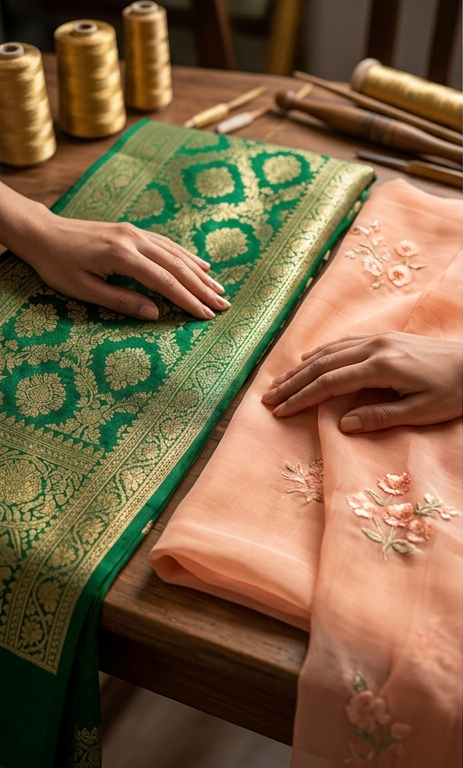
Selecting the right textile is the first step in creating a high-end look. The weight and fall of the fabric dictate how the saree will sit on your frame. For those seeking a regal silhouette, Banarasi silk remains an undisputed champion. These sarees, often featuring intricate zari work, offer a structured drape that is perfect for weddings and formal galas.
On the other end of the spectrum, Chiffon and Georgette sarees provide a more ethereal, lightweight feel. These fabrics are favored for their ability to cling to the body, creating a modern, sleek aesthetic. If you are exploring the diverse world of Indian craftsmanship, you might also consider the sheer beauty of Chanderi weaves or the vibrant patterns of Bandhani, which showcase the meticulous tie-dye techniques of Western India.
Mastering the Drape: From Classic to Contemporary
While the Nivi drape is the most widely recognized style, originating from Andhra Pradesh, the versatility of the saree allows for endless experimentation. The way you pleat and tuck your saree can completely transform your appearance.
- The Classic Nivi: Focuses on neat waist pleats and a structured pallu over the left shoulder.
- The Bengali Style: Known for its box pleats and the iconic key-ring weighted pallu.
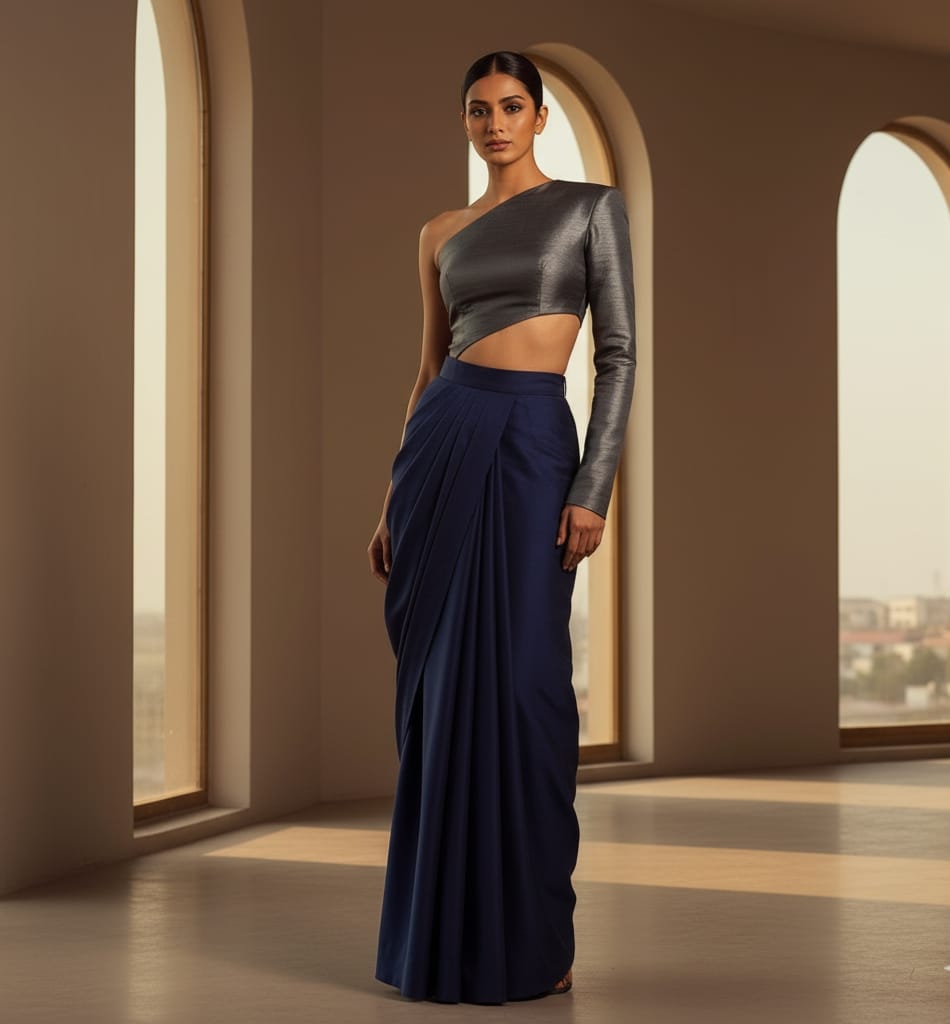
- The Modern Belted Look: Incorporating a sleek leather or metallic belt to cinch the waist, adding a contemporary edge to traditional attire.
For those who are new to the world of ethnic fashion, you can learn more about us and our commitment to preserving these heritage styles while infusing them with a modern sensibility.
The Role of the Blouse and Accessories
A saree is only as impactful as the elements that accompany it. The blouse design has evolved from a simple functional garment to a statement piece of its own. High necks, elbow-length sleeves, and backless patterns are currently trending in luxury fashion.
When it comes to ornamentation, balance is key. If your saree is heavily embellished with embroidery or sequins, opt for minimalist jewelry. Conversely, a plain linen or cotton saree provides the perfect backdrop for heavy Kundan or Polki sets. You can find inspiration for curated looks by visiting our shop, where we showcase a variety of textures and designs.
Why the Saree Remains a Global Fashion Icon
In an era of fast fashion, the saree stands as a symbol of sustainable luxury. A well-maintained saree can be passed down through generations, often becoming a cherished heirloom. This longevity is part of why global designers often look to the Indian drape for inspiration on the international runway.
The intricate process of hand-weaving also supports local artisan communities, ensuring that ancient techniques are not lost to time. To understand the environmental impact of textiles, organizations like the Sustainable Apparel Coalition provide excellent resources on how to choose fabrics responsibly.
Styling Tips for Every Occasion
- Corporate Wear: Opt for muted tones in Tussar silk or linen. Keep the pallu pinned for a professional, sharp look.
- Festive Celebrations: Embrace vibrant colors like emerald green, deep maroon, or royal blue. Don’t shy away from heavy embroidery or floral motifs.
- Summer Brunch: Light pastels in Organza or Mulmul are breathable and effortlessly chic. Pair them with a sleeveless blouse for a fresh vibe.
If you are looking for a specific piece to add to your collection, our online platform offers a gateway to some of the most meticulously crafted designs available today.
Maintenance: Preserving Your Heirlooms
To ensure your ethnic collection stays pristine, proper storage is vital. Always store silk sarees in muslin bags to allow the fabric to breathe. Avoid hanging heavy sarees for long periods, as the weight can stretch the fibers and damage the intricate embroidery. For detailed garment care instructions, the Victoria and Albert Museum offers professional insights into textile preservation.
Conclusion
The journey of the saree is one of constant reinvention. From the ancient depictions in Indian sculpture to the high-glamour runways of today, it remains a testament to the beauty of the unstitched garment. By choosing the right fabrics, mastering the drape, and accessorizing with intent, you can create a look that is both deeply personal and universally admired.
Whether you are preparing for a grand wedding or looking for a sophisticated daily ensemble, the world of sarees offers something for everyone. If you have questions about styling or need assistance with a custom order, feel free to contact us directly. We are here to help you navigate your journey into luxury ethnic wear.
For more history on how these garments have shaped culture, the Textile Museum provides a wealth of information on global weaving traditions. Embrace the elegance, celebrate the heritage, and make the saree your own.